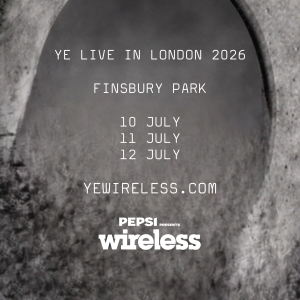

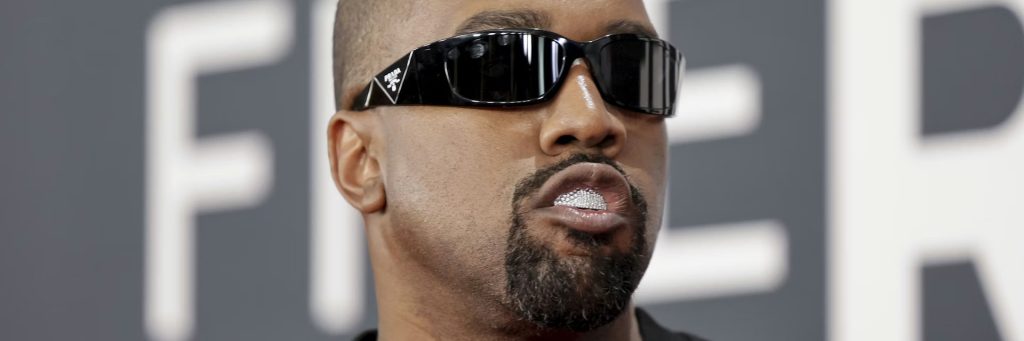
The fallout surrounding Kanye West and Wireless Festival has taken another turn.
After being denied entry into the UK by the Home Office which ultimately led to Wireless cancelling their festival entirely; Kanye has released a letter addressing his recent behaviour and his mental health.
In it, he reveals that a previously undiagnosed frontal lobe injury from a car accident and an unstable life culminated in a bipolar disorder diagnosis.
Most notably he clearly states: “I am not a Nazi or an antisemite… I regret and am deeply mortified by my actions.”
This raises a difficult but necessary question:
Does understanding the “why” behind behaviour change how we respond to it?
Mental health, can profoundly affect perception, behaviour, and decision-making.
But context is not the same as accountability and Kanye himself acknowledges this, stating that his condition “does not excuse what I did.”
The cancellation of Wireless signals that there are consequences to controversial behaviour
But can an artist return after causing harm?
And if so, what does that process actually look like?
This is no longer just about separating the music from the artist.
It’s about whether we believe in change and what it takes to earn it.
And for Kanye, that answer isn’t in a statement; it’s will be found in what happens next.
READ ANOTHER STORY https://thebeat99.com/kanye-west-bully-album-review/